
SheBuilds on Lovable Buildathon Diary
My Personal Journey


There are projects that move your career forward. And then there are those that move you. Some projects start with a clear goal. This one began with curiosity and a spark of excitement to explore Lovable more fully, and to build something for my kids.
What follows is a diary of my SheBuilds buildathon experience, written while the excitement is still high and impressions are fresh. I’ll share more about the app I built in a separate post.
Idea Submission
I first discovered Lovable in the summer of 2025, listening to Elena Verna at the Product at Heart conference in Hamburg. Amid countless talks and AI tool promotions, Lovable’s story stood out. Back home, I dove in, building small tools to solve everyday challenges: you would drop an idea in, and something would emerge. After a few experiments and hitting the “out of credits” wall repeatedly, the SheBuilds buildathon announcement felt irresistible to join.
Over a few days, I revisited a few lingering ideas and casually floated one with my kids:“What if we made a handball app that helps you train like a pro, with goals from your coach and tips to get better?” Their excitement was the clearest signal to move forward.
Submitting the concept was simple yet thoughtful, prompting me to reflect on the why, the what, and my expectations, a reflective start rather than a gatekeeping exercise.
Acceptance and Pre-Event Excitement
When the acceptance email arrived, I was genuinely over the moon. What followed was a steady build-up of energy. The SheBuilds community is highly engaged: my LinkedIn feed quickly filled with introductions and early conversations, while my inbox overflowed with thoughtfully curated session invites. Sessions led by alumni were excellent, practical, inspiring, and well-structured. Joining the Lovable Discord community was when the buzz truly hit. There was a shared sense that something was happening, even before a single line of code was written.
The week was intense: kids’ games, Christmas celebrations, and two concerts I’d been looking forward to for months, all happening at once. The excitement spilled into everyday decisions, too. My old notebook began shutting down under load, forcing a replacement, and my glasses went in for repair, an extra challenge during a screen-heavy week.
It was a blur of momentum, enthusiasm, and mild chaos, fueled almost entirely by excitement.
Exploration and Idea Evolution
I approached discovery with the same intensity as the buildathon. With AI-enabled tools at every step, exploration, ideation, and validation moved at a pace that would have been unthinkable not long ago.
I began with a Miro board: mapping features, defining personas, and drafting user journeys. The AI Canvas proved invaluable, wireframes appeared almost instantly with a simple prompt. Notion became my central hub, keeping notes, drafts, and half-formed thoughts organized.
Next, I ran the surveys tailored to the main personas: players, trainers, and parents. The goal wasn’t statistical significance, but perspective: gauging the app’s relevance, understanding whether anyone was already using something similar, and exploring whether parents might be willing to pay symbolically for such a tool. Given the limited time and small survey group, the results were encouraging: players clearly valued the idea, and none knew of a comparable app.
Final prep involved updating the accounts I anticipated needing: GitHub, Supabase, and even Luma, as we had to record a two-minute video pitch. With that, I felt fully equipped and mentally ready to dive in.
The Buildathon
Monday, 14:00, Berlin time. It started with a bang! The kickoff featured an inspiring speech, a curated playlist, and a massive load of credits in our accounts. The first mental block appeared almost immediately: where to click, how to design the first prompt.
My screen was a mosaic of LLMs. Miro, Notion, Google Forms all open at once, displaying feature maps, PRD drafts, wireframes, and survey feedback summaries. I pulled it all together and returned to ChatGPT to draft my very first long prompt, ready for Lovable.
Lovable’s Chat quickly became indispensable. The very first prompt returned a solid, PRD-like implementation plan, validating my approach while surfacing concepts that deserved a second look.
The project Knowledge page proved just as valuable. Whenever doubts arose, I could quickly check whether decisions aligned with the PRD, the design principles, or the core philosophy captured there.
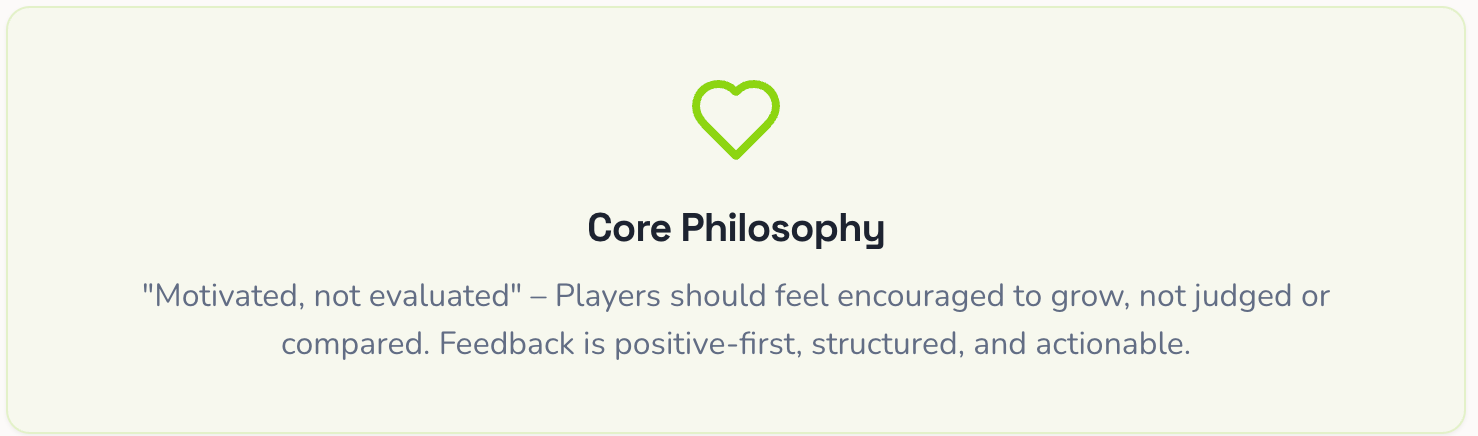
Early dilemmas included whether to support multiple languages from the start. The app’s focus was the German market, but English was required for submission. Lovable confirmed: much easier now than later, minimal extra effort. Decision made.
Conversations then shifted to the MVP scope: what absolutely had to be in, and what could wait. Lovable responded with analysis, comparison tables, and well-reasoned recommendations, delivered in a polite, pragmatic tone. One super useful takeaway from the webinars was to map low-priority features as “coming soon” keeping them visible in the flows while reserving focus for the core journeys.
The final question I brought to the chat before building was perhaps the most naïve of all: the app name and tagline. With that, I had a fully fleshed-out PRD covering project philosophy, languages, user roles, key features, non-functional requirements, technical stack, screen flows, and post-MVP roadmap.
The chat concluded: “This is a solid, focused MVP that delivers real value while staying lean. Ready to build?”
Oh yes.
Less than twenty seconds later, my app was there - clickable, usable, real.
The first bugs appeared quickly: routing errors, infinite recursion, and a Leaked Password Protection warning. Debugging in Lovable was next-level: detailed analysis, concrete fix plans, and explicit approval for database changes made the process powerful and reassuring.
Three hours in, another dilemma arose: how to introduce an Admin/Club Manager without overcomplicating login. The chat offered three approaches with pros, cons, a recommended path, and full database and flow diagrams. I spent the next hours refining the user management: club → coach → team → players and finally using two mock accounts to test features while keeping signup and login functional.
Monday, 23:20 - focus flip. Fatigue set in. I needed something refreshing. Time to switch gears to UI design. The color scheme needed energy, motivation, gender and club neutrality, appeal for young athletes, and a warm, positive feel. Neon-lime green, a new logo, and a clean UI emerged.
Tuesday, 1:54 am - calling it a day. The last message in the chat: “Get some good rest. Till soon, and sleep well.”
Tuesday, 9:22 am - the next morning. I started by tweaking a few details on an overlay screen and polishing the demo users to cover the two journeys, coach and player, before diving full speed into the main features: goals page and feedback page.
Discord buzzed continuously, supporting, inspiring, and guiding every step.
The only break that day was taking my son to handball practice, where I got invaluable feedback from a parent and a trainer. The key insight: make the feedback flow interactive so athletes can request it themselves, nudging the trainers. With this in mind, I returned to the app, integrating as much as possible.
The app began to take shape, now showing the complete flow for both trainers and players. Throughout the build, a few guiding principles consistently shaped every decision.
Everything revolves around goals - supporting player growth while helping coaches manage their teams efficiently, with quick feedback entries in under 30 seconds per player.
Security is trust - respecting privacy considerations, especially Europe’s strict personal data protection, is essential, but equally important is that as a parent, I feel, ‘This is safe for my kids”.
These principles acted as gatekeepers, guiding what to prioritize and what to set aside.
Final Stretch
Waking up on the last day, with only a few hours left, the expected panic set in. The app was stable, MVP scope in place, but details demanded attention: landing page, dashboard, security warnings. Condensing the story and the product demo into just two minutes video pitch felt nearly impossible. After recording version after version, with one hour to go, I finally clicked Submit. Naturally, I couldn’t resist adding a “Share feedback” button on the landing page, which triggered a last-minute security alert. One final fix, and it was done.
Wednesday, 14:00 - I have built and shipped an imperfectly lovable app! Inspired by kids, built with the help of AI, and designed to serve in a very human way, without any AI-powered features.
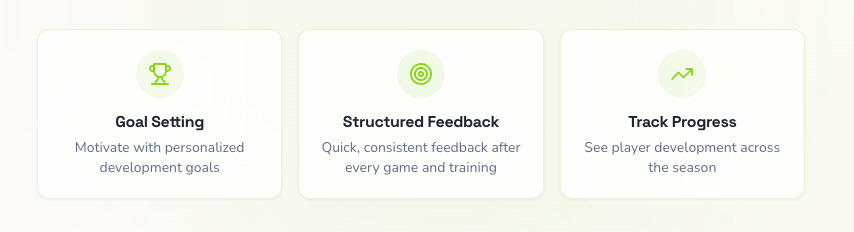
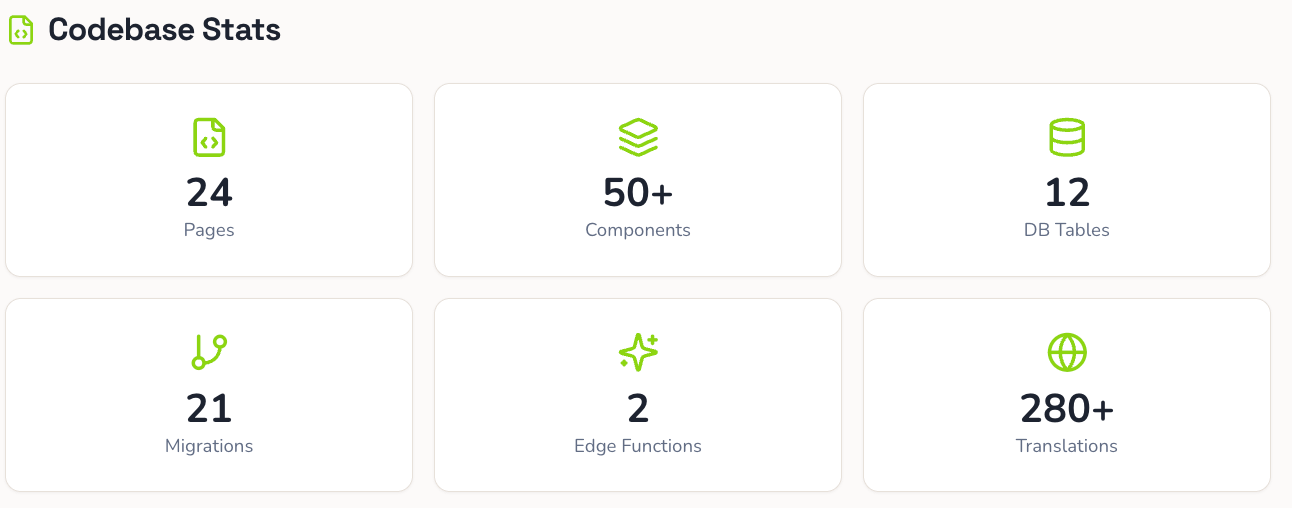
The app evolved from the original PRD, with deliberate pivots for clarity, usability, and alignment with handball culture. The MVP covers the full coach–player–club loop: trainers can create teams, invite players, assign goals, track progress, and give fast, positive-first feedback (including media), players can follow their goals, review feedback over time, and actively request input, while admins manage clubs, trainers, and teams. Core capabilities include bilingual DE/EN support, mobile-first UX, notifications, email-based auth, demo accounts, and secure account recovery. On the design side, the UI progressed from a neutral theme to an electric lime palette with a modern font and a clean, emoji-reduced interface.
I was overwhelmingly excited and completely exhausted.
Reflections on the Experience
The SheBuilds buildathon was more than a 48-hour sprint to build an app, it was an immersive exercise in creativity, problem-solving, and rapid iteration. Exploring Lovable with unlimited credits felt like the ultimate form of creative freedom.
I could experiment, break things, and rebuild them better. Every prompt, line of code, every design tweak was mine to test, without stakeholders dictating success. Decisions became intuitive, playful, and exciting.
Whenever I hit a dilemma or wasn’t sure which direction to take, Lovable offered grounded, thoughtful guidance, laying out options with clear reasoning and practical recommendations. And when I encountered a tricky implementation question, a simple “Let me explore this with you” brought a surprising sense of reassurance: I wasn’t alone in navigating challenges.
I learned to trust the process, embrace pivots, and balance ambition with focus, all while keeping the core philosophy front and center. AI tools accelerated ideation, design, and debugging, complemented by human insight in the form of feedback, conversations, and small sparks that turned challenges into opportunities.
Beyond the product, this project gave me confidence to build from scratch, permission to pursue work outside my professional narrative, and a renewed belief that personal projects are not distractions, they’re fuel.
I found myself uniting three versions of who I am: my younger self - curious, hands-on, and driven by the joy of making code work; my present-day product thinker - analyzing problems, exploring solutions, and evaluating options; and the mother - witnessing children grow through sport, teamwork, and small victories. This blend shaped every choice and kept the project grounded.
Some of the most meaningful work happens when curiosity, craft, and care converge.
If you’re curious, watch for the next SheBuilds announcement, and dive in. The experience is truly invaluable.
This captures something we don’t talk about enough: how much of building is decision hygiene under pressure. The way you described using principles (goals-first, trust/security, speed for coaches) as gatekeepers during the build really resonated — especially when time and energy were running low.
I also appreciated how human the process stayed: kids as signal, parents as validators, Discord as ambient support rather than noise. It’s a great example of how fast tools still benefit from slow judgment. Thank you for documenting this so thoroughly and being part of SheBuilds!